
UK +44 131 560 6629 USA TOLL FREE 800-972-0408

UK +44 131 560 6629 USA TOLL FREE 800-972-0408
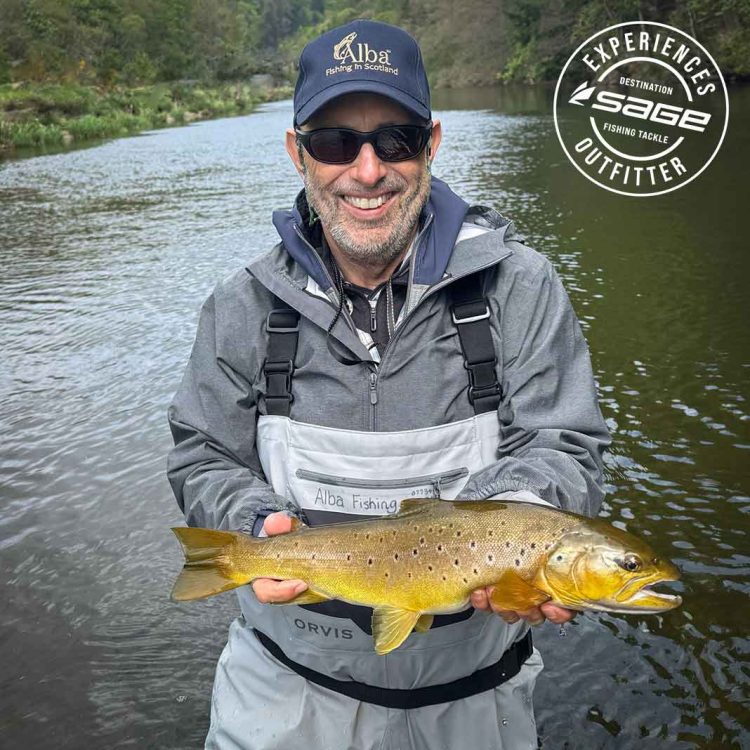


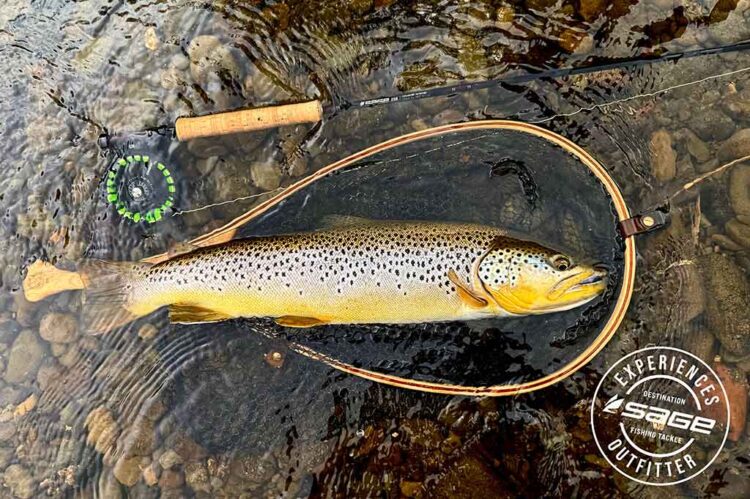
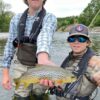
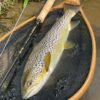
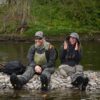


Alba have access to various private stretches of this world class river. Mostly on Private Estates.
Your fishing guide will be focused and dedicated to you and/or your guests.
You will not be part of a multi-party group.
Fishing is from the bank and with shallow wading never above the knee.
Minimum walking involved, good access to the river with 4X4 vehicles.
River Tweed Trout Season 15th March to 6th October
Grayling fishing available all year (except a break in Spring to let them spawn)
Fly Fishing only – we supply premium Sage R8 fly rods, hand tied trout flies, waders/boots with tungsten studs
Sage Experiences Outfitter with premium fly fishing tackle and endorsed guides.
Dry fly action peaks in April but good hatches all year.
Premium Guided Fly Fishing for Wild Scottish Trout (and Grayling)
The River Tweed, situated just one hour south of Edinburgh, remains one of Scotland’s most productive and captivating trout rivers. Its early-season potential, rich fly life and consistently strong stocks of resident wild trout make it a premier destination for anglers seeking both beauty and challenge. Furthermore, with access to carefully selected beats, expert guidance and premium tackle, our guests experience this river at its very best.

The River Tweed is Scotland’s second-longest river and, importantly, produces more fly-caught fish than any other river in Britain. Its vast size, varied water types and abundance of resident trout create a unique environment where trophy fish remain a genuine possibility throughout the season.
Moreover, in late March and April, when Highland rivers are often too cold to produce reliable sport, the Tweed can already be in full swing. Its early-season hatches of Large Dark Olives and March Browns can be exceptional, and because trout have been relatively dormant through the winter, they feed aggressively. Consequently, anglers occasionally encounter truly memorable fish.
Our team has guided the Tweed for more than two decades, and every guide has at least ten years’ experience. As a result, guests benefit from deep knowledge of the river, its moods and the tactical decisions required to succeed in all conditions.
We focus primarily on the middle river beats, with occasional trips to selected upper stretches downstream of Peebles. These sections offer a balanced mix of glides, riffles, deep runs, gravel-bedded pools and sheltered areas that produce consistent fishing throughout the year.
Additionally, we have a number of lesser-known locations that regularly yield outstanding results. These are not publicised to protect their integrity; however, guests enjoy exclusive access to these carefully guarded spots.
Trout on this river behave intelligently and respond quickly to environmental changes. In low water, they often hold in deeper, more oxygenated water at the heads of pools. However, once a hatch develops, they reposition almost immediately. During LDO, March Brown or Blue-Winged Olive hatches, trout move onto shallower gravel beds where flies settle naturally, and this creates ideal dry-fly opportunities.
Meanwhile, drop-offs into deeper pools remain productive for both trout and grayling when nymphing. Throughout the season, larger predatory trout also respond aggressively to streamers, especially in coloured water following a spate.
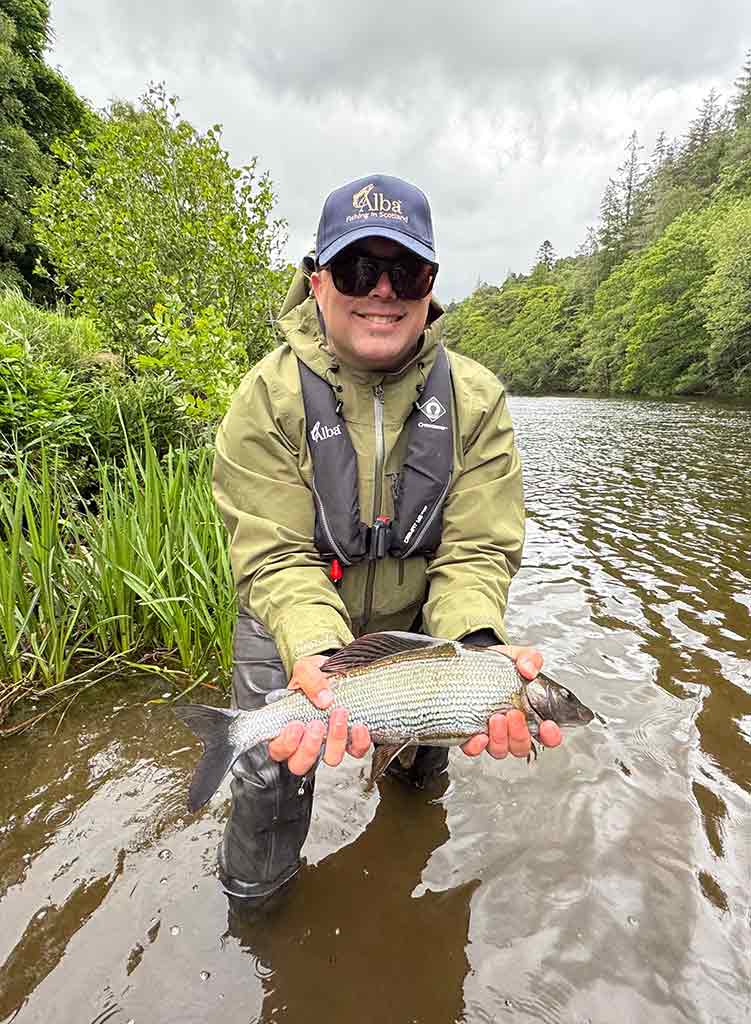
Late March and April offer some of the finest dry fly fishing in Scotland. The river enjoys prolific hatches of Large Dark Olives and March Browns, and the feeding intensity can lead to extraordinary catches. Early-season fish are often larger, stronger and more willing to rise.
The fishing remains consistently productive; however, tactics must adapt. Knowledge of watercraft, fly choice and presentation becomes even more important. Grannom, Blue-Winged Olives and various sedge species bring fish to the surface, and well-presented dries or subtle dry-dropper rigs prove invaluable.
As fish begin to feed purposefully before spawning, the river once again offers excellent fishing. Consequently, streamers, nymphs and carefully selected dries can all be effective.

Our guides have refined a comprehensive range of approaches. Furthermore, they will help identify the most suitable technique based on water clarity, temperature, flow and trout behaviour.
Euronymphing for deep, controlled presentations
Dry-dropper setups for exploring transitional water
Swinging soft hackles when trout feed subsurface during hatches
Precision dry-fly fishing using CDC patterns and furled leaders
Streamer fishing for larger predatory trout after a spate
Additionally, on bright, clear days we often downsize flies and tippet, while after a flood we may fish heavier tippet and add an orange-beaded nymph or a streamer to search the softer bank water.
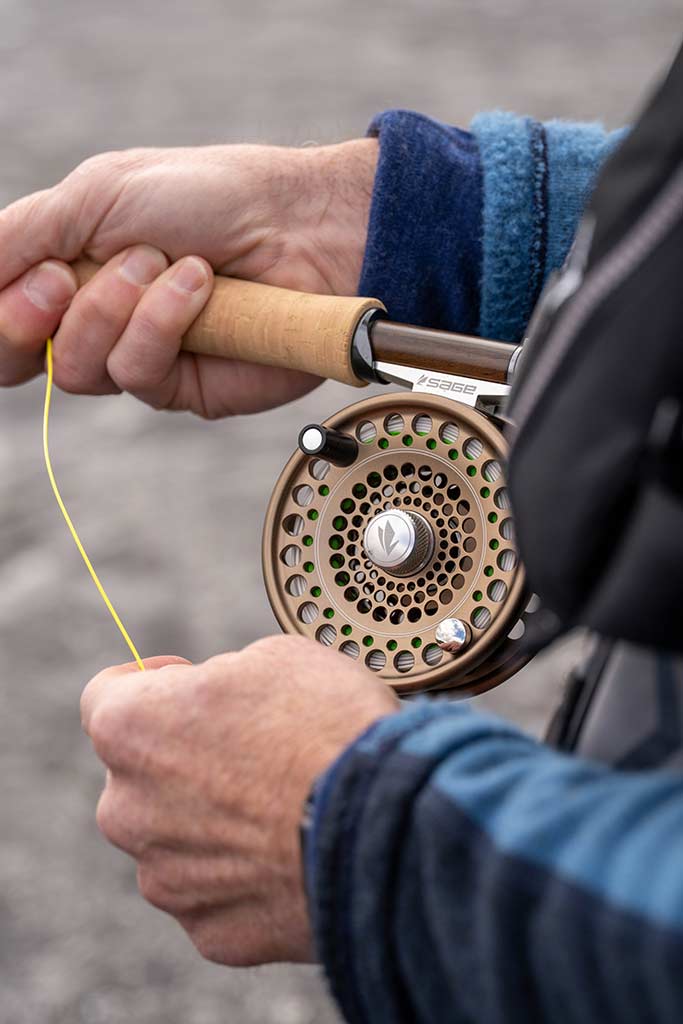
We supply all premium tackle as standard, including:
Sage R8 9ft fly rods (5-weight) for dries, wets and general presentation
Sage ESN 10ft 6in rods for high-precision nymphing
Quality reels, fly lines by RIO and Barrio, and hand-tied leaders
Moreover, for wading we provide breathable waders, Orvis boots with tungsten studs, wading staffs and Crewsaver PFD life vests.
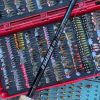
Our fly boxes include highly effective patterns tied by our team. Among them, the “Fergie” fly has consistently produced outstanding results. Additionally, olive CDC patterns imitate Tweed’s key hatches perfectly, and we carry variations for both LDOs and BWOs.
When fishing dries, we use a floating furled leader with a 6ft section of 5X–7X tippet. The leader must float and the tippet must sink, therefore we treat each accordingly with floatant and degreasant.
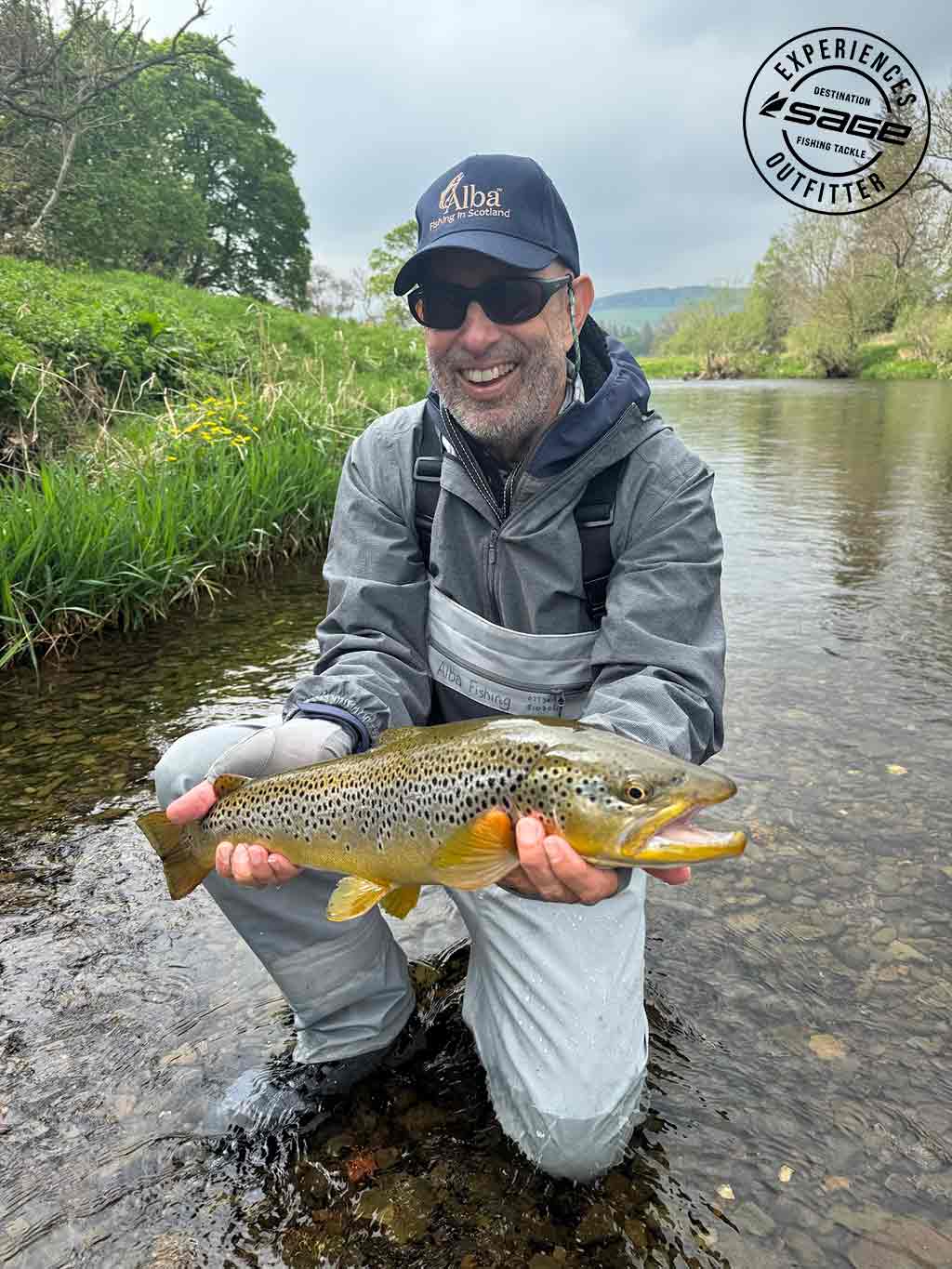
The Tweed frequently delivers remarkable moments. Last spring, one guest landed three specimen fish in a single day:
A 4lb trout
A 3lb grayling
A 5lb trout
Furthermore, during an April hatch, we landed a magnificent 6lb trout feeding hard on LDOs. A year later, we caught the same fish in the same location—half a pound heavier.
Clients are often surprised by the superb condition of Tweed trout and grayling. They are thick-bodied, genetically perfect and immensely powerful, which explains why they frequently test even experienced anglers.
Success on the Tweed comes from understanding the water and approaching it deliberately. The most common mistakes include:
Wading too quickly or noisily
Playing hooked fish too heavily
Casting before properly positioning
Consequently, we often approach a single rising trout for 15–20 minutes before making a cast. This level of patience and precision consistently yields better results. Ultimately, remaining calm, quiet and tactical is always the best strategy.

Exclusive fishing permits for private stretches of the River Tweed
Transport from Edinburgh or key Borders towns such as Kelso, Melrose, Peebles and Galashiels
Professional, highly experienced Orvis- and Sage-Endorsed guides
Flagship Sage and Orvis fishing tackle, waders, boots, PFD life vests and wading staffs
Hand-tied flies and all terminal tackle
Expert tuition in dry fly, dry-dropper, nymphing and wet-fly techniques
Photographs taken throughout the day by your guide
Alba Game Fishing “Fishing in Scotland” cap for each guest
Professional photography package using Sony A7RV and DJI drones
Specialist River Tweed fly boxes, hand-tied by our guides
We encourage guests to:
Wear appropriate outdoor clothing
Travel light
Bring a packed lunch to remain mobile during peak feeding times
Because the river often comes alive around lunchtime, staying near the water makes a significant difference.
With 22 years of guiding experience on the River Tweed and a team of expert river specialists, we offer a complete, premium and highly personalised fishing experience. Furthermore, the Tweed remains one of Scotland’s most rewarding trout rivers, and we take great pride in helping guests enjoy it to its fullest.


