UK +44 131 560 6629 USA TOLL FREE 800-972-0408

UK +44 131 560 6629 USA TOLL FREE 800-972-0408


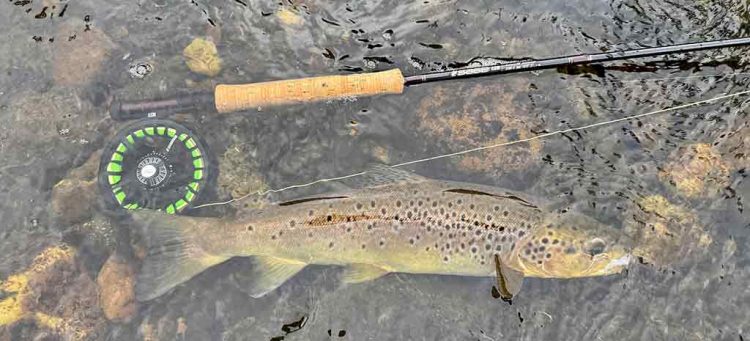


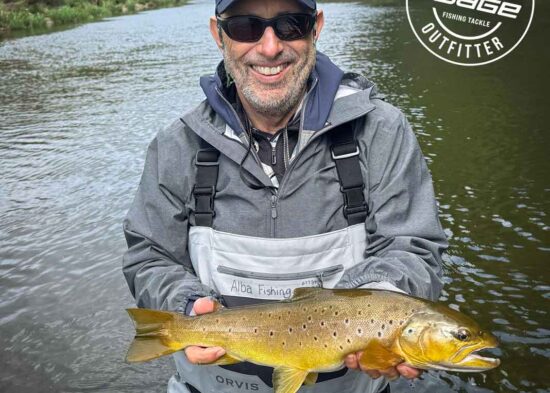
Sage Experiences program outfitter – you can use premium Sage R8 fly rods, Sage Reels, and Sage ESN nymphing rods.
The trout season runs annually from March 15 to October 6. Grayling fishing, no close season
World class, ego free guides with local knowledge
Pick up and drop off from Dunkeld, Pitlochry or Edinburgh
Five star rated service on Google – business established 2004
Also Orvis Endorsed guiding service
Baseball Caps “Fishing in Scotland” for each guest
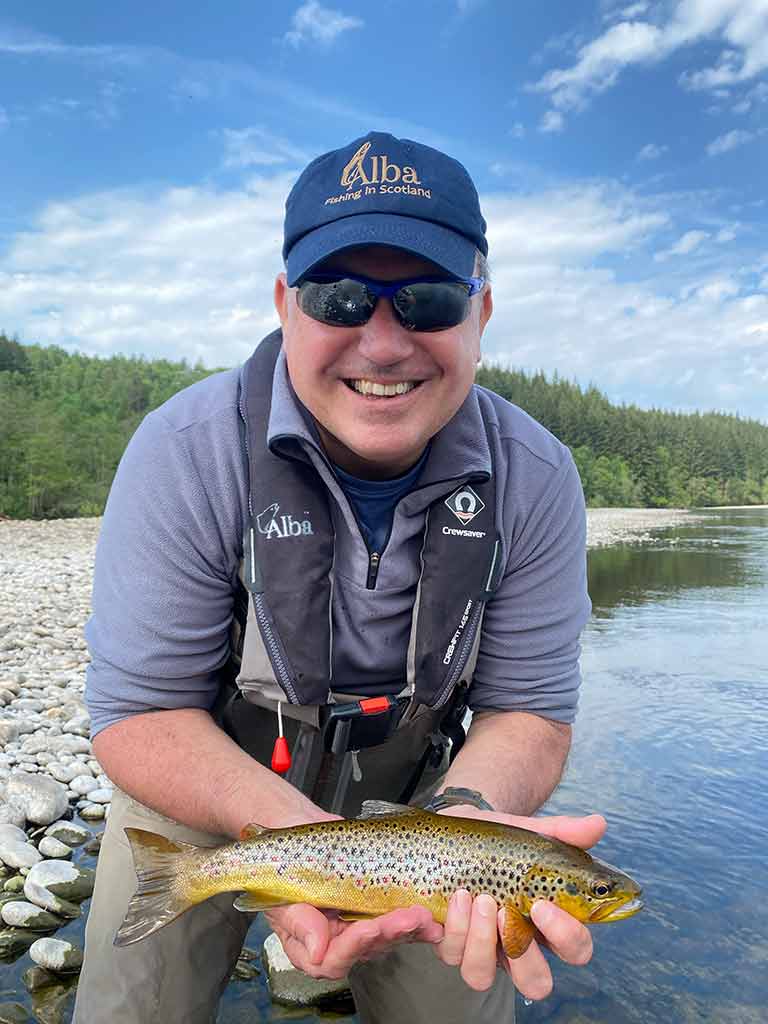
The River Tummel is a main tributary of the Tay and is one of Scotland’s best brown trout and grayling rivers. From its source at Stob Ghabbar the Tummel flows 58 miles, through Loch Tummel, and Loch Faskally. Eventually discharging into the River Tay at the Junction beat on Lower Kinnaird.
The River Tummel may be short, but it is anything but small. This wide, powerful tributary of the River Tay offers serious trout and grayling fishing for anglers who approach it with respect, skill and patience.
Moreover, the river shifts every winter, the boulders move, channels alter and new opportunities appear. As a result, the Tummel remains one of the most rewarding yet demanding waters in Highland Perthshire.
Although the river flows from Loch Rannoch and through Loch Tummel and Loch Faskally, most trout and grayling anglers concentrate on the Lower Tummel, the stretch controlled by Pitlochry Angling Association between Pitlochry and Ballinluig.
While this section lies close to the A9, it hides behind woodland and steep banking, which makes access challenging without local knowledge. However, our private tracks remove the guesswork and allow anglers to reach the water safely without relying on roadside lay-bys.
Although the Tummel’s length is modest, its character is anything but. The river is energetic, wide and constantly reshaped by winter floods. Consequently, a pool that proves unfishable one season may become an easy wade the next, while a gentle glide might transform into a heavy, bouldered channel. Therefore, understanding this shifting nature is essential for consistent success.
Furthermore, the Lower Tummel offers an impressive variety of water. You will encounter glides, riffles, deep channels and complex pockets—an ideal environment for wild brown trout and large grayling.
Euronymphing remains one of the most effective methods on the Tummel because it allows precise depth control and works exceptionally well when fish hold deeper in the column. In addition, dry-dropper tactics perform strongly in shallower runs, providing subtle takes and excellent coverage of water.
A 10 ft 6 in Sage ESN is therefore an excellent choice for both trout and grayling.

During a proper hatch, dry fly quickly becomes the most reliable approach. In particular, April can produce memorable surface sport. Nevertheless, if the wind swings from the east or north, temperatures often fall sharply and hatches may stall, so adaptability remains essential.
A Sage R8 Core 9 ft 5-weight handles dry fly, spiders and mixed tactics with ease, making it ideal for the varied water of the Tummel.
Early spring provides excellent opportunities for spider fishing. As insect life increases, swinging lightly dressed soft hackles across glides and riffles becomes extremely effective. Additionally, this method is well-suited to beginners because it covers water cleanly without requiring complex line control.

From mid-March through April, trout fishing improves significantly. Hatches of olives and early stoneflies bring trout to the surface, and dry fly or spider methods often excel. However, as mentioned earlier, cold northerly or easterly winds can suppress activity, so it pays to remain flexible throughout the day.

Although grayling feed year-round, they offer their most consistent sport during the winter months. As flows settle and temperatures stabilise, lightly dressed imitative nymphs become extremely effective. Nevertheless, grayling remain catchable during all seasons, provided you adjust your approach to the prevailing conditions.
When the river drops to low, clear summer levels, your strategy must change. At such times:
Last year’s unusually low levels allowed us to examine the exposed riverbed closely. As a result, we gained a detailed understanding of permanent boulder positions and holding lies, which now helps us interpret the river more effectively in normal flows.
Conversely, after a spate, conditions change rapidly:
Although the river can fish well after a spate, steady water levels generally offer the most predictable fishing.
The Tummel demands respect. Its width, gradient and shifting substrate create deceptively strong flow, and therefore careful wading is essential.

Above all, movement must remain slow and deliberate. Because fish respond strongly to disturbance, careful stepping matters more than casting distance. This becomes especially important during hatches when fish hold in precise feeding lanes and react instantly to careless movement.
The Lower Tummel’s three main beats each offer:
Although each beat behaves differently under varying river levels, all provide opportunities for skilled anglers. Furthermore, our guides know which sections produce best under different conditions and can help anglers adapt their approach as flows change.
A realistic expectation for a competent angler is 4–6 trout and grayling per day, often with one or two better specimens mixed in. While the Tummel does not deliver high numbers every day, it consistently rewards accuracy, stealth and thoughtful presentation.

Many visiting anglers unknowingly reduce their chances by:
By slowing down and reading the water more deliberately, anglers dramatically increase their success.