
UK +44 131 560 6629 USA TOLL FREE 800-972-0408

UK +44 131 560 6629 USA TOLL FREE 800-972-0408

What makes the perfect salmon ghillie? (in Scotland)
Over the years, I’ve spent thousands of days guiding fishing guests throughout Scotland. Along the way, I’ve worked with a lot of ghillies.
As you might imagine, I’ve experienced the good, the bad and occasionally the ugly.
However, this article is dedicated to the best of them. Moreover the qualities that make them stand out.
Firstly, a great ghillie can make an enormous difference to a day of Scottish salmon fishing. Naturally, knowledge of the river matters. But there’s much more to the job than knowing where the fish lie or which fly to try.
The best ghillies understand people. They’re professional, diplomatic and positive. They know when to offer advice. Equally, and, just as importantly, when to say nothing at all.
So, what makes a really good ghillie?
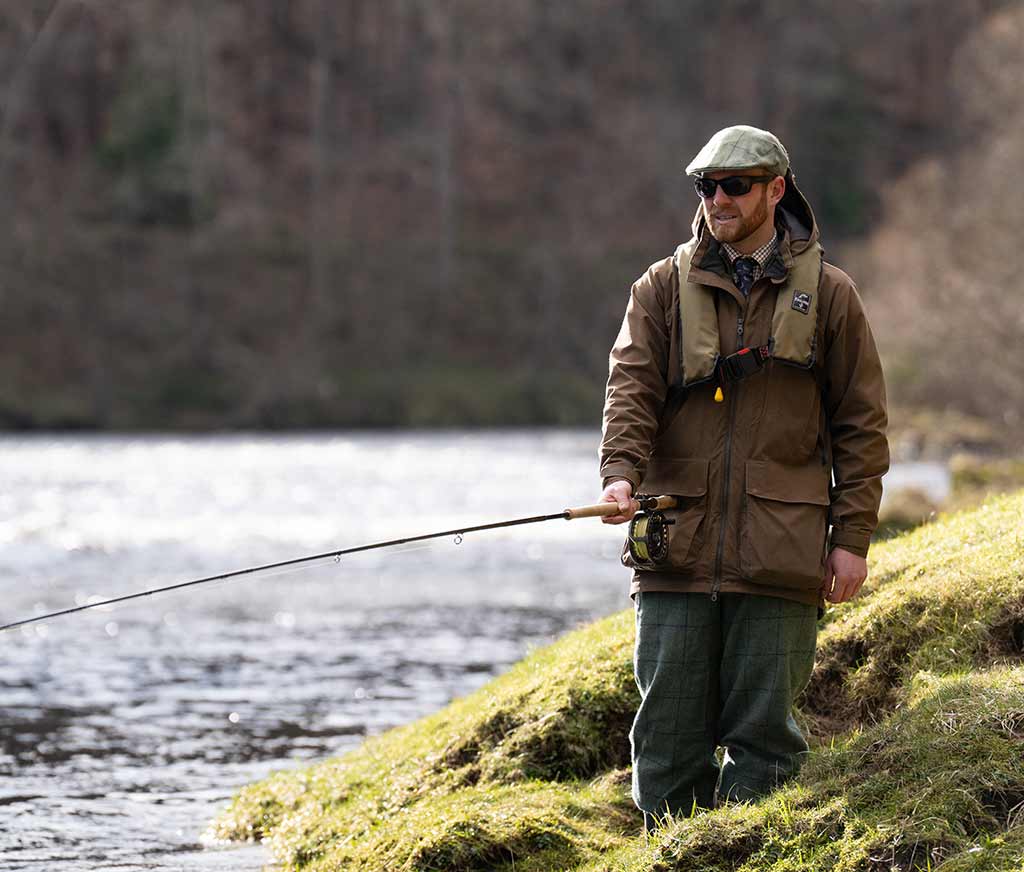
You’ll meet excellent ghillies on famous Scottish salmon rivers such as the River Spey, River Deveron, River Tay and River Tweed. Of course, you’ll also find them on many of Scotland’s smaller rivers and estates.
Usually, you can spot a good one fairly quickly.
They present themselves well, take pride in their appearance and carry themselves with a quiet confidence. There’s no need to tell everyone how much they know. You soon work that out for yourself.
For me, that quiet confidence is important.
The best ghillies don’t need to be the loudest person in the fishing hut.
The morning welcome often tells you a lot.
A good ghillie greets guests properly, makes eye contact and helps everyone feel at home. Before long, there’s usually an offer of tea or coffee.
It sounds simple, but these little things matter.
Next, they’ll help with tackle if needed. Perhaps a guest needs a hand setting up a salmon rod or choosing the right shooting head. Equally, they might suggest a fly based on the height, colour and temperature of the river.
However, they don’t overcomplicate things.
That’s another quality I’ve noticed in the best ghillies. Their advice tends to be simple, practical and easy to understand.
More importantly, they stay positive.
We all know that salmon fishing can be difficult. Sometimes you arrive at the river and the conditions simply aren’t what you hoped for.
A good ghillie won’t start the day by telling you how hopeless everything is.
At worst, you might hear:
"Conditions aren’t ideal, but there’s always a chance."
And they’re right. There is always a chance.

For me, this is a big one.
The best ghillies work extremely well with professional fishing guides. There’s mutual respect and, importantly, no competition.
Nobody needs to prove who knows the most.
After all, we’re there for the guest.
A good ghillie understands their fishing beat better than anyone. They know the pools, the lies and the subtle changes that take place at different river heights.
Meanwhile, an experienced guide knows their guest. They understand their casting ability, personality and what they hope to get from the day.
Put those two things together and you have a strong team.
Of course, there will be times when a ghillie wants to suggest something. The good ones do it discreetly and professionally. They don’t undermine a guide in front of the guest.
Likewise, good fishing guides respect the ghillie and listen to their advice. Guides can assist the ghillie by keeping a closer eye on the guest, ensuring safety. Therefore the ghillie can spend more time with other guests.
When that relationship works, everyone benefits.

Throughout the day, a good ghillie remains attentive.
Perhaps a fly needs changing. Maybe the guest should fish slightly deeper. It could simply be a case of moving a few yards downstream or changing the angle of the cast.
However, the best ghillies don’t constantly interfere.
That’s an important distinction.
Sometimes an angler needs advice. At other times, they simply need the freedom to fish.
Occasionally, a guest might be fishing alone while their guide is helping somebody else. If the angler is struggling, an experienced ghillie can step in with a little casting advice.
Again, the best ones keep it simple.
They don’t grab the rod and launch 40 yards of line across the river to show everyone how good they are. Nor do they turn a small piece of advice into a half-hour casting lesson.
Instead, they help the guest make a better cast.
That’s enough.
The guest should always be the star of the show.
Being a good ghillie also requires diplomacy.
You spend a long time with people during a day's salmon fishing. Naturally, there will be plenty of conversation.
The best ghillies are good company. They’re encouraging and interesting to talk to, but they also know where the boundaries are.
They don’t spend the day criticising other ghillies, guides, fishing estates or previous guests.
Likewise, they avoid turning lunch into a rant about salmon fishing politics, declining salmon numbers or everything that’s apparently wrong with the world.
That doesn’t mean these subjects aren’t important. Clearly, they are.
But there’s a time and place.
Most guests have travelled a long way and spent a considerable amount of money to enjoy a day on a Scottish salmon river. They want to enjoy the fishing, the scenery and the company.
A good ghillie understands that.

Another thing I notice is phone use.
We all use our phones, and there are perfectly good reasons for checking one during the day. However, there’s a big difference between occasionally looking at a phone and spending half the day staring at it.
Guests notice.
The best ghillies remain present. They watch the river, keep an eye on the anglers and notice when somebody needs help.
They also think about the small things.
Is somebody cold? Does a guest need a coffee? Is an older angler struggling with a difficult piece of riverbank?
None of this requires great technical knowledge.
It simply requires awareness.
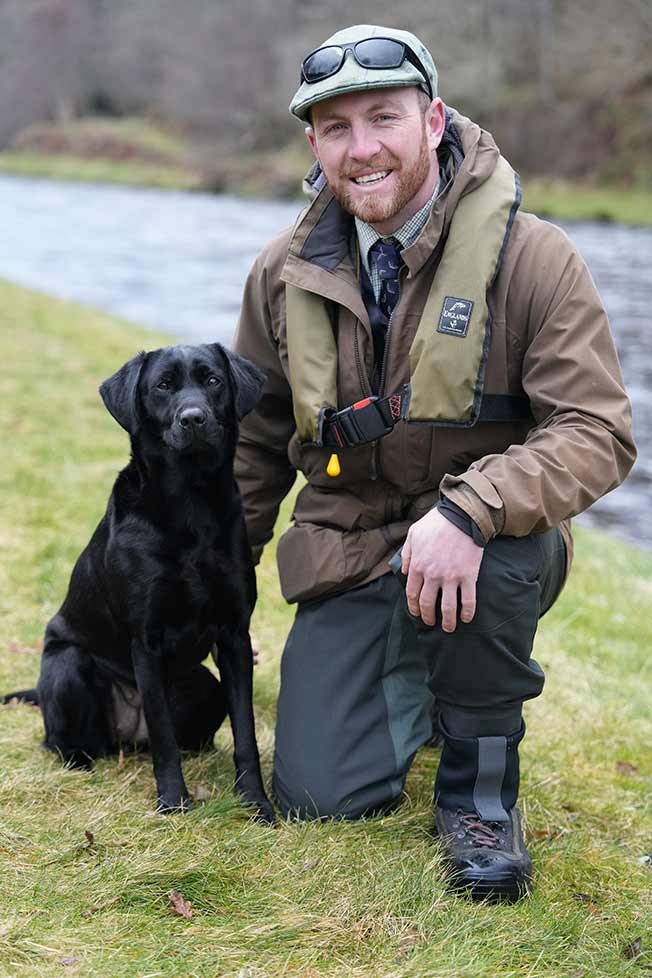
That same professionalism should extend to the fishing beat.
A tidy riverbank, clean fishing hut and well-organised environment all create a good impression.
Again, these things sound obvious.
Yet they matter.
The fishing hut often becomes the centre of the day. It’s where you have that first coffee, gather for lunch and hopefully celebrate a fish.
It should feel welcoming.
And if the ghillie has a dog, even better. Personally, I enjoy seeing a good fishing dog on the river.
However, the dog should be well-trained and sociable. Nobody wants their sandwiches stolen or a wet Labrador jumping all over their fishing guests!
Once again, it comes down to consideration for other people.

This is something I think has become increasingly important.
A good modern ghillie should know how to take a decent photograph.
You don’t need an expensive camera. In fact, a smartphone is more than capable of capturing a fantastic fishing image.
But you do need to know how to use it.
Salmon fishing and steelhead fishing have something important in common: the fish can be incredibly hard to catch.
For some guests, a salmon might come after several blank days. For others, it could be their first fish after years of trying.
That moment matters.
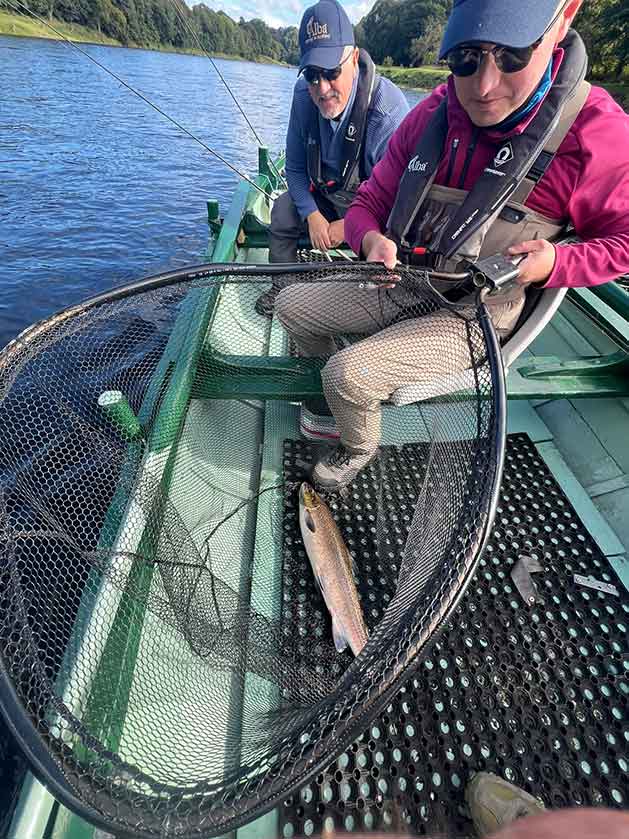
Unfortunately, I’ve seen some wonderful fishing memories spoiled by dreadful photographs. The fish is held badly, the client looks miserable and in shock. The client is placed with the sun in the background and in silhouette. The horizon is at 45 degrees, there’s a finger over the lens making the image foggy. In summary you get the idea, just a wee bit of thought and planning makes the difference.
Crucially, if you screw up the photo, you don't get that moment back.
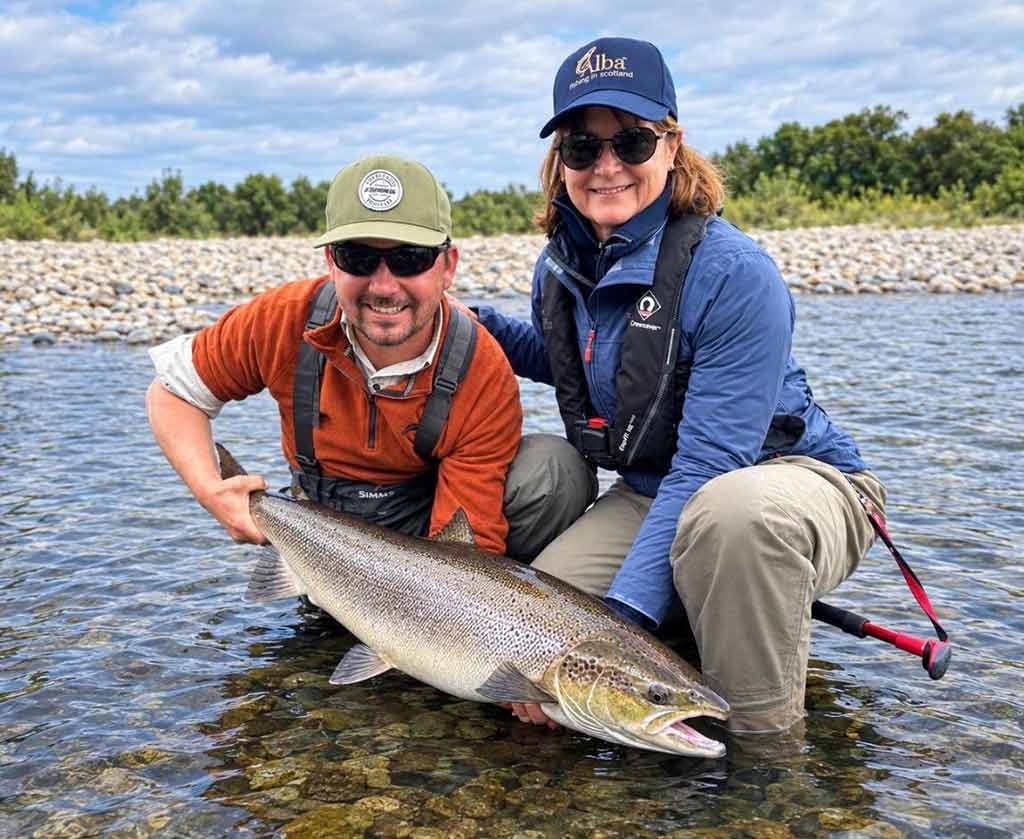
Therefore, a little thought about light, background and composition can make an enormous difference.
Lewis at Gordon Castle and Cammy on the River Ness are two great examples. Have a look at their Instagram feeds and you’ll see what I mean.
They understand that the photograph isn't simply a record of a fish.
It's part of the memory. Take a look at the photos below and decide for yourself what's good and bad.
For me, the answer goes well beyond fishing ability.
Of course, a good ghillie needs to understand salmon. They should know their fishing beat intimately and recognise how changing water levels, temperature and weather can affect the fishing.
However, knowledge alone doesn't make somebody a great ghillie.
The best are welcoming, positive and diplomatic. They work well with fishing guides and treat guests with respect. They know when to offer advice and when to quietly step away.
They also understand something that is easily forgotten.
The day isn't about them.
It's about the guest.
A really good ghillie quietly helps everything come together. The fishing, the atmosphere, the conversation, the advice and all those small details contribute to the experience.
Of course, catching a salmon helps.
But even when that doesn't happen, a guest should leave the river having enjoyed a memorable day in Scotland.
And if they do catch one?
Make sure you take a decent photograph.