UK +44 131 560 6629 USA TOLL FREE 800-972-0408

UK +44 131 560 6629 USA TOLL FREE 800-972-0408

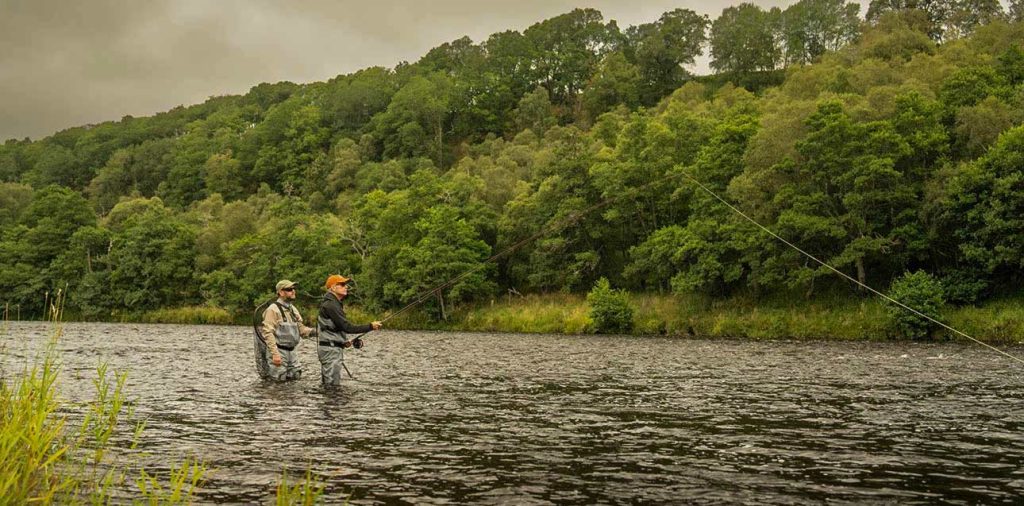
Salmon fishing permit prices in Scotland vary considerably throughout the season. The River Tweed, Tay, Dee and Spey all offer excellent opportunities to catch wild Atlantic salmon. However, permit costs depend on the river, fishing beat, time of year and historical catch records.
If you’re planning a salmon fishing holiday in Scotland, understanding permit prices can help you get better value.
At Alba Game Fishing, we arrange guided salmon fishing trips for visitors from around the world. We help guests choose suitable rivers, secure fishing permits and make the most of their time in Scotland.
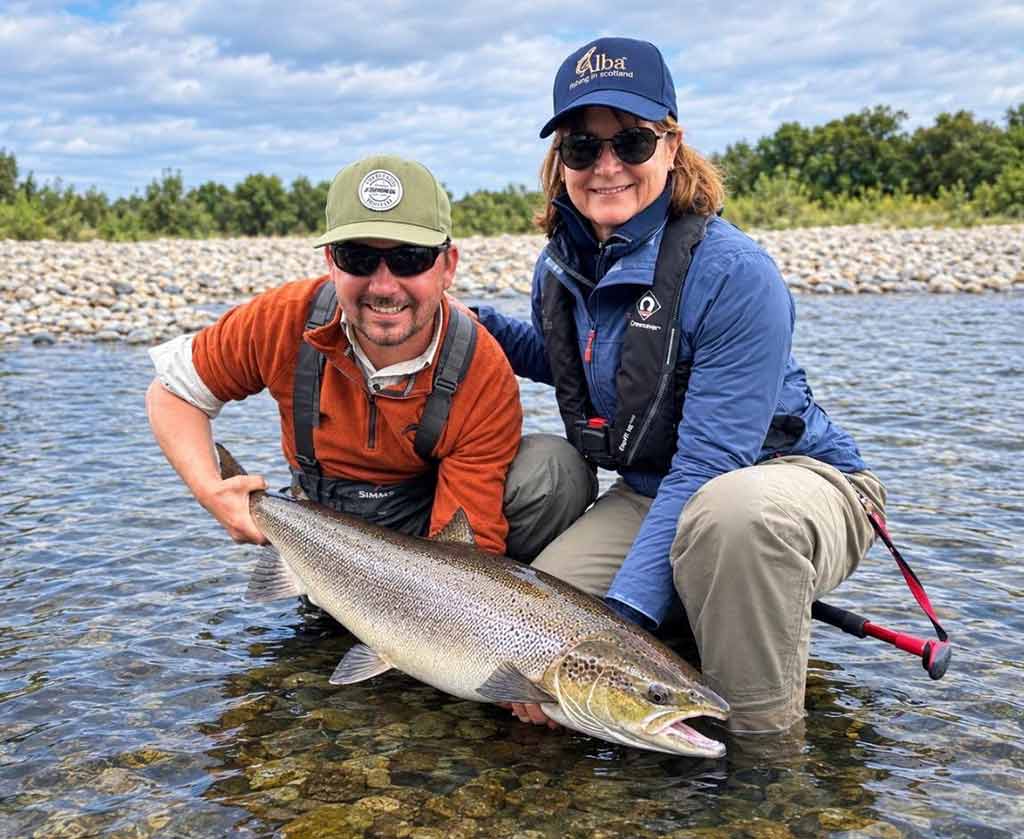
cottish salmon fishing permits follow a pricing structure based largely on historical catch returns and seasonal demand.
For example, consider buying tickets for the Wimbledon Tennis Championships. A first-round match on an outside court costs considerably less than the men’s final on Centre Court.
Salmon fishing works in a similar way.
A productive fishing beat during a historically successful week usually commands a higher permit price. Conversely, less popular dates and beats often offer more affordable fishing.
Several factors influence the price:
However, an expensive permit doesn’t guarantee a salmon. Equally, a reasonably priced beat can produce excellent fishing when conditions are favourable.
Therefore, choosing the right location and timing often matters more than paying the highest permit price.
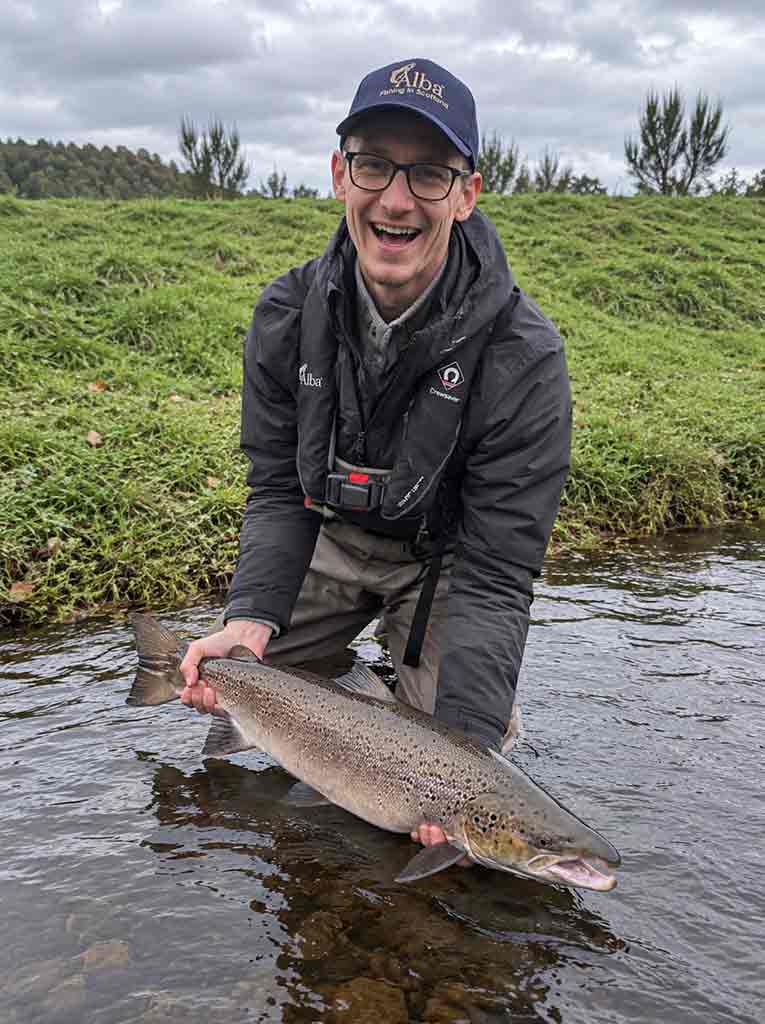
As a general guide, salmon fishing permits can range from approximately £70-£300 per person, per day, on more affordable beats. However, premium beats may cost £450 or more per day during sought-after weeks.
These figures are indicative rather than live prices. Actual costs vary by river, beat, season and availability.
Some Scottish sporting estates also offer weekly salmon fishing packages. In addition, certain estates combine fishing permits with accommodation.
For overseas visitors, it’s important to understand what your permit includes.
A fishing permit generally provides access to a specified stretch of river, known as a beat. However, it doesn’t necessarily include a personal fishing guide, tackle, transport or accommodation.
Consequently, a fully guided fishing package can make planning considerably easier.
At Alba Game Fishing, we help international guests arrange suitable fishing, equipment and professional guiding.
The upper River Tweed can offer excellent value, particularly during late summer and autumn.
Historically, autumn salmon runs attracted anglers to the upper reaches of the Tweed. However, changing weather patterns and salmon migration behaviour have made traditional seasonal predictions less reliable.
As a result, choosing fishing dates requires careful consideration of recent catches, river levels and water temperatures.
August and September can offer worthwhile opportunities on the upper Tweed. Furthermore, suitable water conditions can make less expensive fishing beats particularly attractive.

River levels play an important role in successful salmon fishing.
Following heavy rainfall, a river may rise quickly. Anglers call this a spate.
As the water drops and clears, salmon fishing conditions can improve considerably. Rising water may encourage fish to move upstream, while falling water can provide better opportunities to target them.
Freshly arrived salmon can be particularly responsive to a well-presented fly.
Therefore, monitoring river levels before your trip can help identify promising fishing opportunities.
The upper River Tweed and River Whiteadder are both worth considering when conditions are suitable.
However, river conditions change quickly. Local knowledge is particularly valuable when selecting a fishing beat.
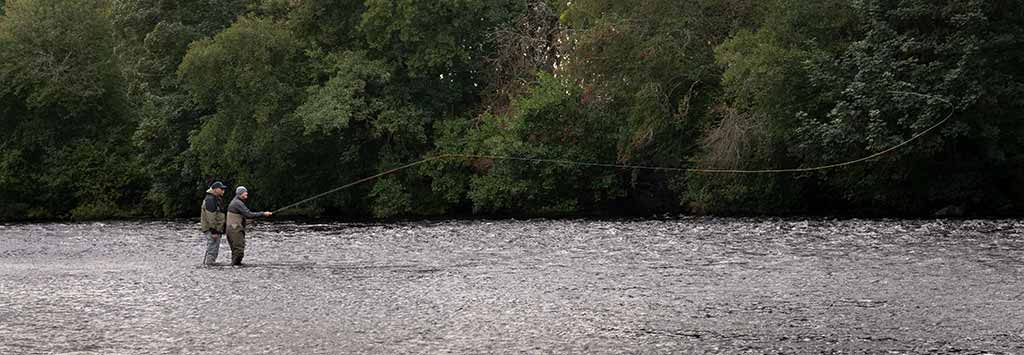
No. Scottish law prohibits fishing for salmon and sea trout on Sundays.
This restriction applies to these migratory fish, although different rules may apply to other species.
Consequently, Monday can be an attractive day for salmon fishing.
After Sunday’s rest, anglers return to water that hasn’t been legally fished for salmon or sea trout the previous day.
However, this doesn’t guarantee better catches. Water conditions, salmon movements and fishing pressure throughout the week remain important factors.
For visitors planning a Scottish fishing holiday, it’s essential to consider this restriction when organising your itinerary.
Salmon fishing rights in Scotland are private property rights. They can belong to landowners, sporting estates or separate fishing-rights owners.
Importantly, owning land beside a river doesn’t automatically provide the right to fish for salmon.
Fishing rights may be included in property title deeds. Alternatively, they may be owned and managed separately from the surrounding land.
In many cases, sporting estates lease their fishing to anglers through daily or weekly permits.
Some owners appoint fishing agents or estate managers to administer bookings and oversee their beats.
Therefore, visitors must obtain permission from the relevant fishing-rights holder before fishing.
A Scottish salmon fishing permit provides access to the specified fishing beat under its particular rules and conditions.
Hiring a professional fishing guide can significantly improve your overall experience, especially if you’re visiting Scotland for the first time.
A guide provides practical advice on casting, tackle selection, river conditions and fishing techniques.
Furthermore, a guide can help you fish safely and effectively on unfamiliar water.
At Alba Game Fishing, we provide professional fishing guides in Scotland for anglers of different abilities.
Our guided trips are particularly suitable for overseas visitors who prefer not to travel with their own fishing equipment.
Whether you’re an experienced fly angler or a complete beginner, professional guidance can help you make better use of your fishing time.
However, it’s important to understand the difference between a resident ghillie and a personal fishing guide.
Many established Scottish salmon fishing beats employ a resident ghillie. A ghillie is responsible for managing fishing activities on a particular stretch of river.
A ghillies duties often include organising rod rotations, advising anglers and maintaining the fishing beat. Whereas a guide, will operate on many different rivers. So the guide works on more of a hands on, one to one basis. Therefore the guide stays with the guest the whole day. Whereas the ghillie will oversee all the different guests throughout his beat. Typically this is 4-8 anglers in total.
Visitors from the USA and Canada often ask whether Scottish rivers offer guided float fishing trips.
In North America, anglers commonly fish from drift boats or rafts while travelling downstream.
However, this style of float fishing isn’t a standard guided fishing option on Scotland’s major salmon rivers.
Instead, Scottish salmon fishing generally involves bank fishing, wading or traditional boat fishing.
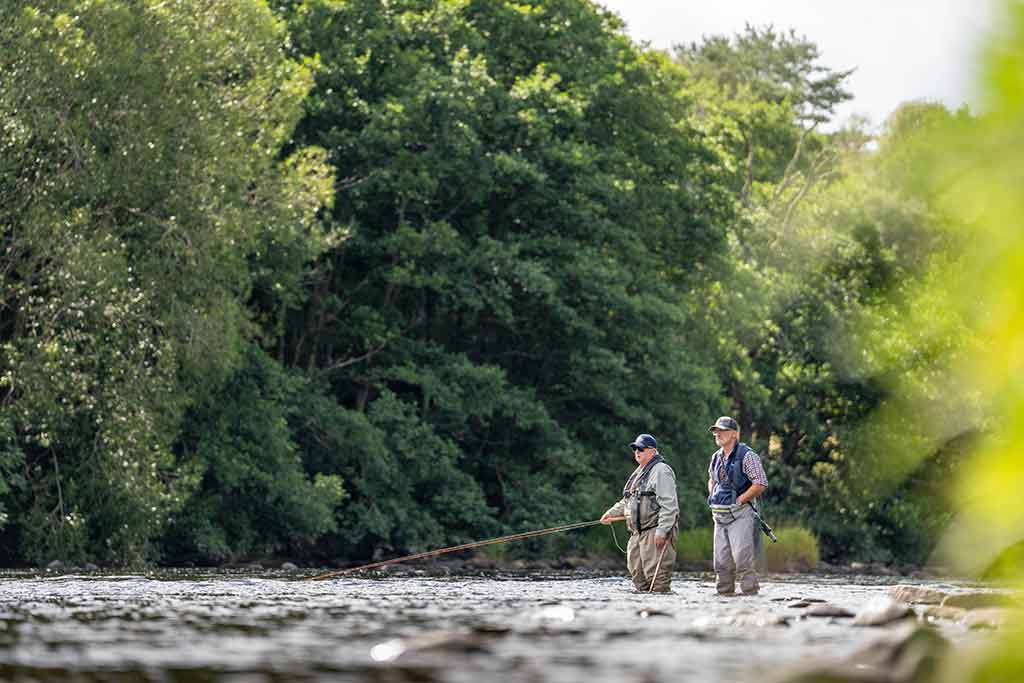
The upper River Tweed has traditionally offered good-value salmon fishing during autumn.
However, successful salmon fishing depends heavily on timing, river conditions and fish movements.
Two particularly important factors influence salmon migration:
Historically, October has been a productive period on parts of the middle and upper Tweed.
By this stage, many salmon have travelled upstream towards their spawning grounds.
Consequently, anglers often focus on beats farther upstream than those traditionally targeted earlier in the season.
Several established River Tweed beats are worth researching when planning an autumn salmon fishing trip.
These include:
Each beat offers different fishing characteristics, access arrangements and permit prices.
However, recent catch records and current river conditions should guide your choice.
Although traditional seasonal patterns provide useful information, they cannot reliably predict future salmon runs.
Therefore, flexibility can be particularly valuable when organising your fishing dates.

Scotland’s four internationally recognised salmon rivers offer different fishing experiences.
River Tweed: Famous for its long salmon fishing tradition, varied beats and beautiful Borders scenery. It offers opportunities across a wide range of permit prices.
River Tay: Scotland’s longest river, renowned for its powerful flows, large pools and traditional salmon fishing heritage.
River Dee: An internationally recognised salmon river, particularly associated with fly fishing and the traditional Scottish ghillie experience.
River Spey: Famous for its fast-flowing water and its connection with Spey casting, a technique used by salmon anglers worldwide.
However, no single river offers the best fishing throughout the entire season.
The right choice depends on your travel dates, fishing experience, budget and prevailing river conditions.